What to Know Before Booking a Whitewater Rafting Holiday
A Complete, Global Guide from People Who Run Expedition Rivers
A whitewater rafting holiday is not a one-size-fits-all experience.
Two trips may both be described as “Grade IV,” yet feel completely different depending on river volume, remoteness, daily pace, and how the journey is run. Understanding these differences and having an honest conversation about them, is what separates a good rafting trip from a genuinely unforgettable one.
After nearly 30 years operating rivers worldwide, from the Zambezi to the Futaleufú, Cotahuasi, Karnali, Tamur, and beyond, this guide outlines what really matters before you book.
1. Trip Experience & Daily Rhythm
Difficulty & Pace: How the River Actually Unfolds
One of the most important questions isn’t how big the biggest rapid is — it’s what the days feel like overall.
For example:
The Zambezi delivers intense, world-class rapids, but days are broken up with pools, recovery time, and warm water.
The Cotahuasi in Peru offers long stretches of continuous, technical whitewater, day after day, with little downtime — a dream for experienced paddlers.
Rivers like the Karnali in Nepal balance big Himalayan volume with long scenic sections and a strong sense of journey.
Understanding whether a river is relentless or rhythmic matters just as much as headline grades.
Ask:
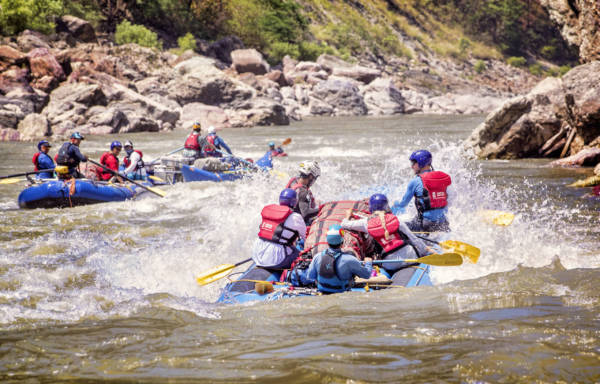
How continuous is the whitewater?
How many hours per day are spent actively rafting?
Is there time for swimming, hiking, or rest?
Distance Traveled Each Day
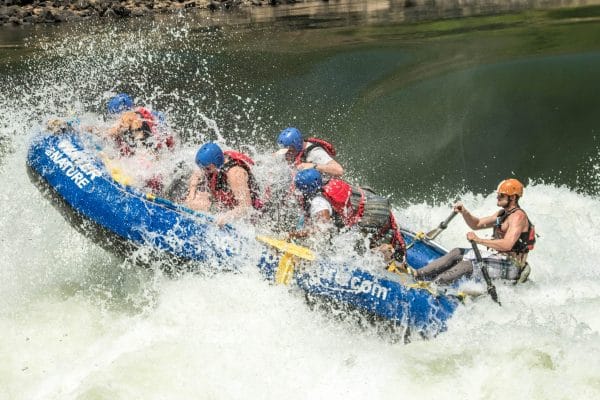
Mileage alone doesn’t tell the story.
On big-volume rivers like the Karnali, long distances may feel smooth and powerful.
On steeper rivers like the Futaleufú, shorter distances can be intense and physically demanding.
A good operator will explain pace, not just distance.
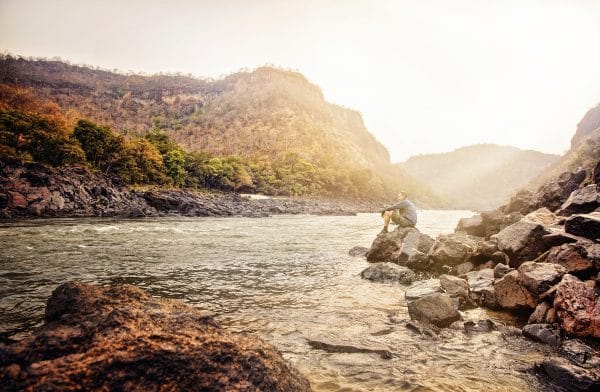
2. Boat Options: How You Engage with the River
Different boats create fundamentally different experiences.
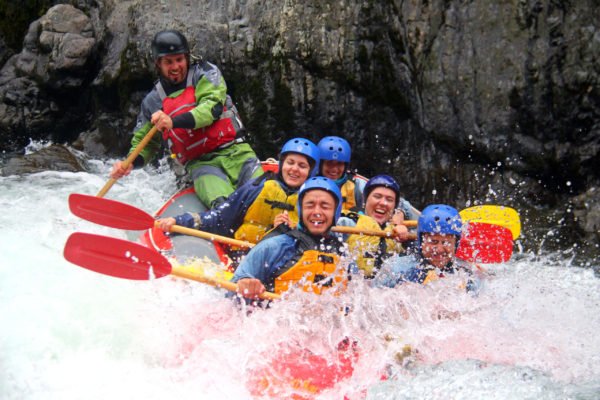
Paddle Rafts
High energy, highly social
Everyone works together
- Often the guide will steer the raft from the back with oars called ‘stern assist’
Ideal for guests who want to feel fully involved
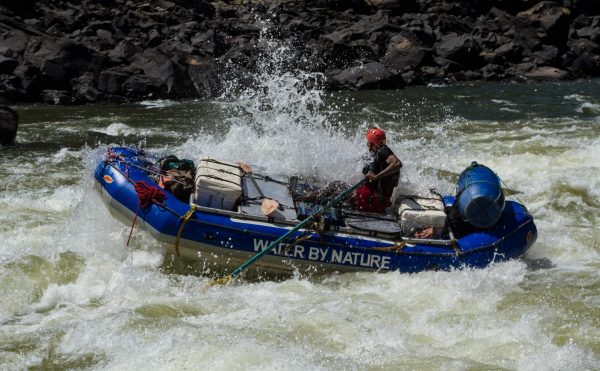
Oar Rafts
Rowed by professional guides
Excellent for photography, scenery, and recovery days
- Used to carry food and heavy equipment
Common on rivers like the Zambezi and longer expeditions
Inflatable Kayaks (IKs)
Individual or paired
Technical and engaging
Often offered selectively on rivers like the Futaleufú
Not every river suits every craft — and not every guest enjoys the same level of physical demand. This is where honest discussion matters.
3. Food, Drink & Life in Camp
Food is one of the most underestimated elements of a rafting holiday.
On multi-day expeditions — whether in Nepal, Peru, or Africa — meals become a daily highlight. Shared dinners, fresh ingredients, and surprisingly creative cooking are often what guests remember most.
Ask:
Are all meals included?
Can dietary requirements be catered for?
Is alcohol permitted?
Are glass containers allowed? (Often prohibited on remote rivers.)
Good food isn’t about luxury — it’s about care and experience.
4. Camping, Comfort & Realistic Expectations
Rafting comfort is about organisation, not excess.
Expect:
Quality sleeping pads and tents
Camp chairs and shaded areas
Portable toilet systems (mandatory on many rivers)
Simple but effective washing routines
On expedition rivers like the Tamur, camp logistics are more complex — and that’s part of the adventure. Knowing this upfront ensures expectations align with reality.
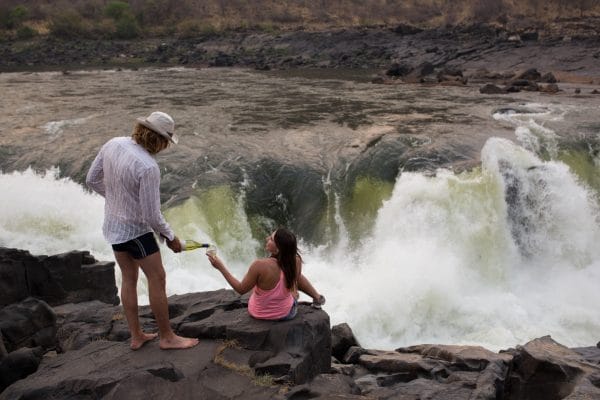
5. Remoteness & Disconnection
Some rivers run near roads. Others don’t.
On rivers like the Cotahuasi or Tamur, there is:
No cell service
No quick exit
A genuine sense of being far from modern life
This disconnection is often what guests value most — but it’s important to understand what it means practically.
Ask:
What emergency communication is carried?
How remote is remote?
6. Packing & Personal Gear
Clothing
Layering is essential on rivers.
Bring:
Quick-dry layers (avoid cotton)
Sun shirts
Fleece or insulation
Waterproof jacket
River shoes and camp shoes
Wool socks
Wide-brimmed hat
Cotton remains the most common mistake.
Sun Protection
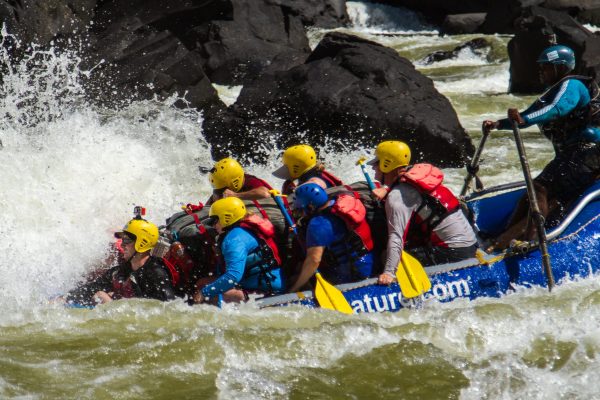
On rivers like the Zambezi or Karnali, sun exposure is cumulative.
UPF clothing, sunscreen, sunglasses, and buffs are non-negotiable.
7. Safety, Swimming & Preparation
Do You Need to Be a Strong Swimmer?
Not necessarily — but comfort in water helps.
Reputable operators provide:
Thorough safety briefings
Self-rescue instruction
Clear expectations before the trip
Honesty about ability is far more important than bravado.
8. The Role of Professional Guides
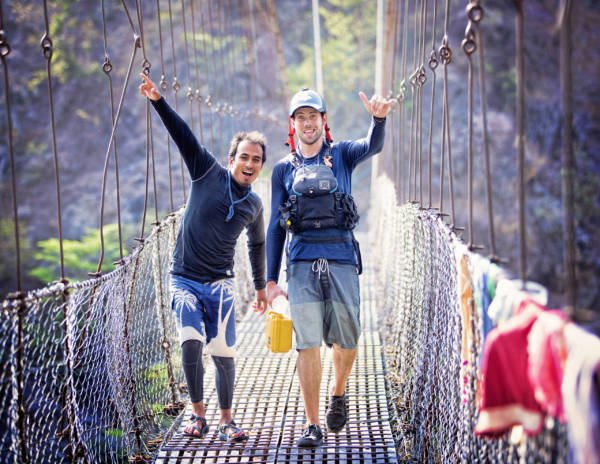
Guides are the single biggest factor in trip quality.
They manage:
Safety and risk
Logistics and camp setup
Cooking
Group dynamics
Local knowledge
On rivers like the Zambezi, Futaleufú, or Tamur, guide experience is everything.
9. Understanding River Grades (International System)
Whitewater worldwide uses the International Scale of River Difficulty (Grades I–VI).
This is a global system.
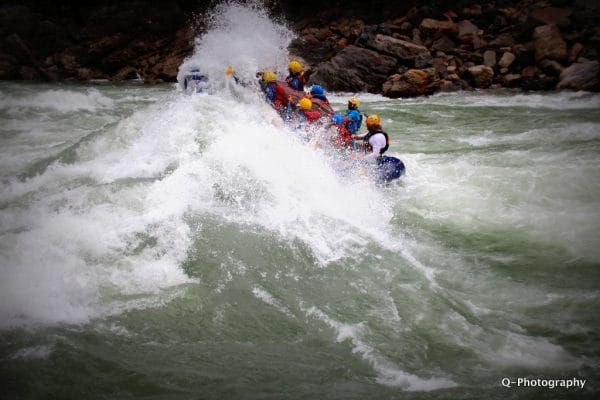
A Grade IV river in Nepal may feel very different from a Grade IV river in the US due to:
Volume
Remoteness
Rescue complexity
Length of expedition
Always ask how grades translate in real-world terms on that specific river.
10. The Most Important Step: Have a Conversation
Perhaps the most overlooked part of booking a rafting holiday is simply talking to the operator.
A good company will:
Ask about your experience honestly
Explain what the trip really involves
Tell you if a river isn’t the right fit
That honesty is a strength, not a weakness.
If a company is willing to say “this might not be right for you,” they are far more likely to deliver an exceptional experience when it is.
Final Thoughts
The best rafting holidays aren’t defined by bravado or marketing language. They’re defined by fit, transparency, and experience.
Ask questions. Expect clear answers. And choose operators who value long-term relationships over short-term bookings.
That’s where the great journeys live.