Machu Picchu: An Incan Masterpiece in the Clouds
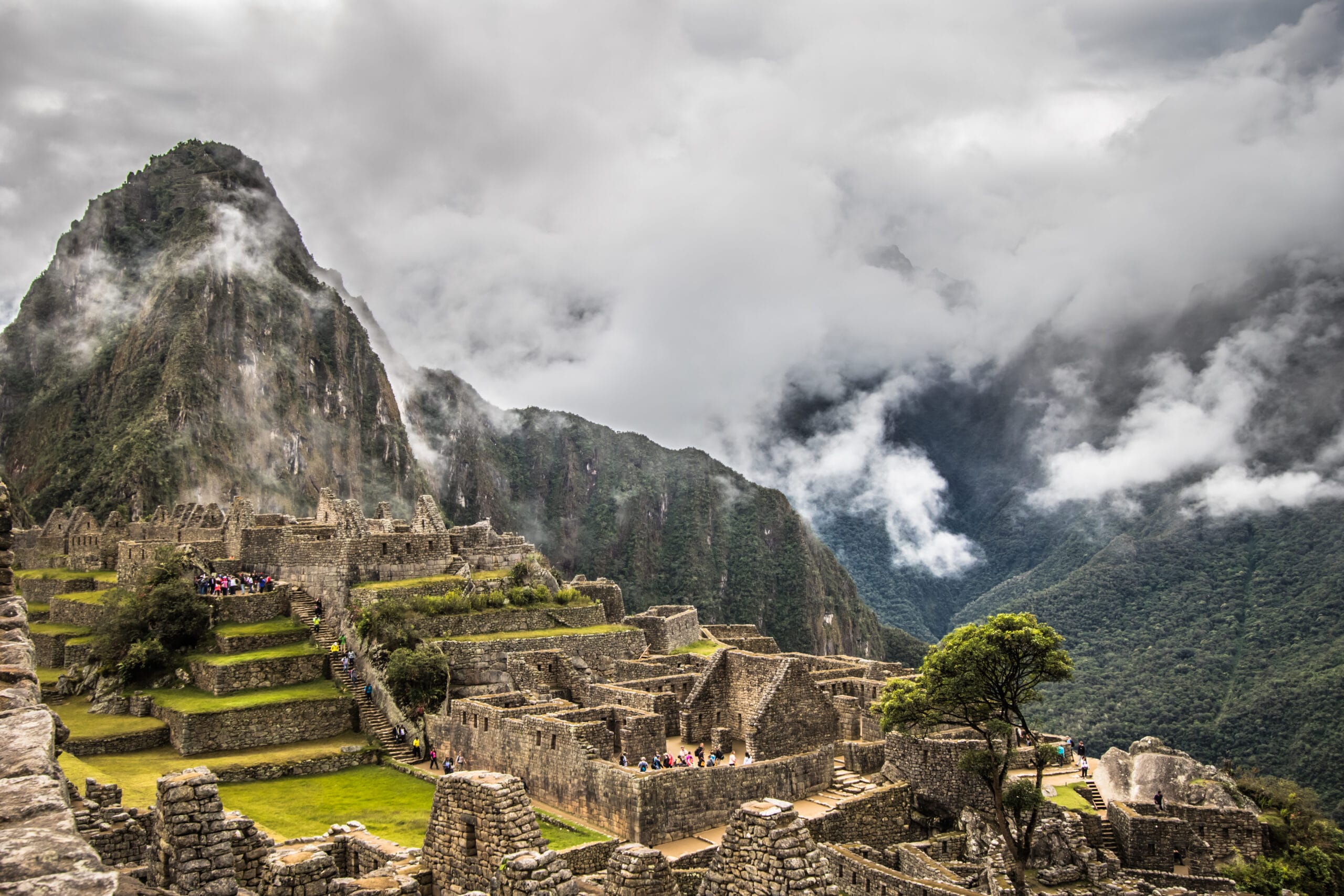
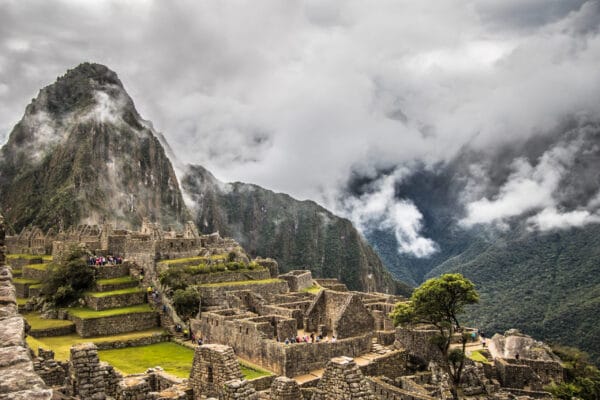
Perched dramatically at 2,430 m above sea level on a mountain ridge in the Sacred Valley, Machu Picchu is one of the world’s most iconic and awe-inspiring archaeological sites. Believed to have been built around 1450 by the visionary Inca emperor Pachacutec, this ancient citadel was more than just a royal estate, it was a marvel of urban planning, engineering, and sacred design. With its agricultural terraces, precise stone masonry, and spiritual alignment with the sun and stars, Machu Picchu exemplifies the ingenuity and sophistication of Incan civilisation.
Often referred to as the “Lost City of the Incas,” it remained hidden from the outside world until American explorer Hiram Bingham brought it to international attention in 1911. Today, Machu Picchu is a UNESCO World Heritage site and one of the New Seven Wonders of the World, attracting travellers from across the globe who come to experience its mystical setting, rich history, and panoramic Andean views.
Whether you trek the famed Inca Trail or take the scenic train from Cusco, a visit to Machu Picchu offers a powerful and unforgettable connection to Peru’s cultural heart. And for those joining us on the Rio Cotahuasi rafting expedition, it’s the perfect way to complete your adventure — by exploring the past after conquering one of the world’s wildest rivers.
How to Experience Machu Picchu
There are two main ways to reach Machu Picchu, each offering its own kind of magic.
1. Hike the Inca Trail
For those seeking a physically rewarding and immersive cultural journey, the classic Inca Trail is hard to beat. Over four days, you’ll trek ancient stone paths once used by messengers of the Incan empire, winding through cloud forests, alpine passes, and lesser-known ruins before arriving at the Sun Gate (Inti Punku) for a dramatic sunrise view over Machu Picchu.
Our Mountains By Nature team runs small-group Inca Trail adventures, with expert guides, porters, and locally sourced meals. It’s a chance to not just see Machu Picchu — but to truly earn it.
Important to note: Inca Trail permits are required and highly regulated, with only 500 available per day, including guides and porters. These permits cost approximately $250 USD (non-refundable and correct at the time of writing) and must be secured well in advance. If you’re thinking about hiking, early planning is essential.
2. Visit by Train
If hiking isn’t your thing (or you’ve just tackled the epic Rio Cotahuasi), a comfortable train journey from Cusco or Ollantaytambo offers another way to experience the wonder of Machu Picchu. The route follows the Urubamba River, descending into lush subtropical forest before arriving at Aguas Calientes, the gateway town. From there, it’s a short bus ride to the citadel.
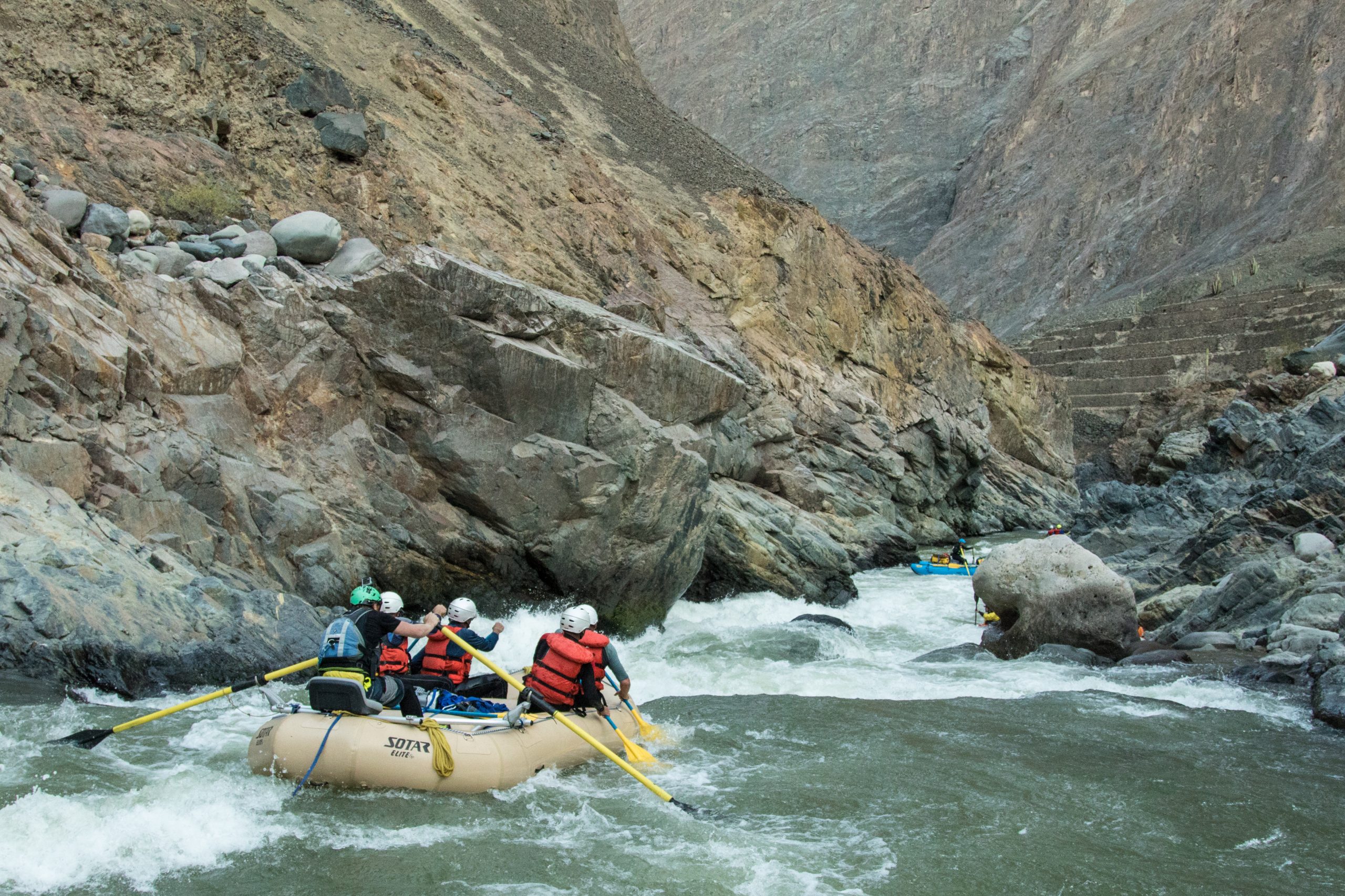
For guests joining our Cotahuasi River Expedition, we offer a 3-day Machu Picchu extension, a relaxing and enriching way to round out your adventure. After days of Class IV–V rapids and canyon exploration, you’ll have time to unwind, explore ancient sites, and reflect on your journey.